How To Build Up Confidence On Public Transport As A New Wheelchair User
For people who acquire disabilities in later life, becoming a wheelchair user often leads to a significant lifestyle change. There are many new things to master and adjust to over this time, and one of the biggest hurdles can be navigating public transport in a whole new way.
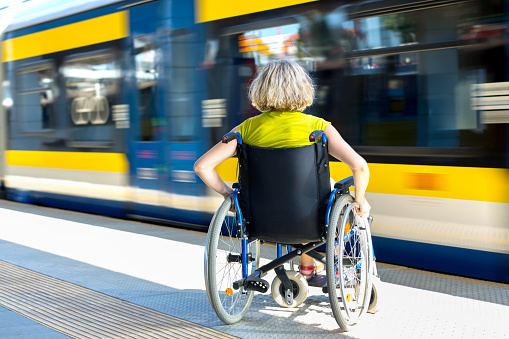
As somebody with a chronic illness, I’m an ambulatory wheelchair user. This means I have some mobility and use different aids on different days. In 2018 I moved from using a transit wheelchair to a powerchair – and it’s changed my life for the better. Becoming a powerchair user gave me a level of independence I’d been craving and opened the world to me in many different ways. However, for a long time, I feared using my powerchair to board public transport.
It took me four months to build up the confidence to board the bus using my powerchair, and longer still to undertake a train journey. Anything unfamiliar can often feel scary to us, but here are three actions that helped me to build up my confidence:
Take A Friend
Sometimes having a familiar face with you can make all the difference. Having a friend with me took away some of my anxiety about navigating public transport, and gave me more confidence to communicate with staff when I began to board the bus. It also made it easier to laugh about anything that didn’t quite go to plan and identify how to do things even better next time. Trust me, my first few attempts at reversing into the wheelchair space on the bus were quite something to behold!
Try Smaller Journeys First
If you’re travelling solo, consider making some smaller journeys in your local area. Board public transport on a day where you’re not tied to any plans or don’t have anywhere specific to be, so you can assess the time and energy your trip requires. You could even try and travel at quieter times in the day to give you some more space to figure things out. The more experience you build up, the less daunting the longer journeys become.
Book Assistance
If you’re travelling by train, Passenger Assistance is here to help. The app is free to download and it allows you to book your journey in advance, note down any specific requirements, and somebody will be on hand to deploy the ramp at the station or cater to any of your other needs. Staff are there to help you, so don’t be afraid to ask any questions if you’re unsure of what you’re supposed to be doing. Head over to our previous blog post for a breakdown of how our app works.
If you’re currently feeling anxious about using public transport as a wheelchair or powerchair user, you have my empathy. However, please be assured that it really does get easier with time – in fact, it’s almost second nature to me now. Above all else, remember that boarding public transport brings you one step closer to new adventures, and let that thought spur you on. Happy travels – you’ve got this!
About the Author
Pippa Stacey is a disabled writer and presenter based in Yorkshire. She also works in communications consultancy in the charity sector and has been named by The Disability Power 100 as one of the most influential disabled people in the UK. In her free time, Pippa enjoys theatre, reading, travel, and blogging about her experiences at Life Of Pippa.
How to Use Passenger Assistance to Book Assistance on Trains
Passenger Assistance is an app that you can use to book assistance on trains. It’s been created in consultation with disabled people who have a range of access needs, and they have also helped develop and test the app’s features. An accessibility panel also steered the direction of the app.
It’s not mandatory to use the app to book assisted train travel in the UK, but it has been designed to simplify the process, especially for those with access needs. In order to use the Passenger Assistance app, you need to do the following:
Download the app
Create an account
Set up your profile
Request assistance
Read on for more details on the above steps.
Download the Passenger Assistance app
To use Passenger Assistance you can either download the mobile app or access it through the web version. The app is compatible with screen readers. It’s available for download via the App Store or Google Play.
Create an account
Once you’ve downloaded the app, you will need to create an account. To do this, follow the steps below:
Open the Passenger Assistance app.
Select a colour theme.
You will now have the choice to view or ‘skip’ a quick introduction to the app. This introduction briefly explains what you can do with the app.
Click ‘Sign up’ and provide your email and password. Make sure you provide a strong password by making it at least 8 characters long and including a lowercase letter, an uppercase letter, a special character, and at least one number.
Review and agree to the terms and conditions and privacy policy.
Click ‘Create an account’.
A confirmation email containing a 6-digit verification code will be sent to the email address you provided. Enter the code to verify your email address and create your account.
Set up your profile
After creating your account, you need to set up your profile. This does not take long to do but is important as it ensures any assistance you request will cater to all of your access needs.
Watch the above videos or follow the instructions below to set up your profile.
Add a photo. This is optional, but it can help station staff recognise you.
Enter your name and contact details. You do not have to provide your phone number, though it can be useful to receive information about your journey.
Select the access considerations that are applicable to you. A range of mobility impairments, sensory impairments, and non-visible impairments are listed in the text and pictorially. Click the ‘i’ symbols for more information.
Provide any further information you would like to share about your access needs in the ‘Other notes’ field.
Click ‘Save details’. Your profile is now set up.
Request assistance
Now that you’ve created an account and set up your profile, it’s easy to book assistance for a train journey. Simply open up the app. You will automatically land on the ‘New Journeys’ tab. This is where you provide the details of your trip.
Watch the above videos or follow the instructions below to request assistance.
Enter your departure and arrival stations.
Select the date and time of your journey.
Select the number of passengers and the connection time (if applicable).
Select ‘Find trains’. You will be shown a list of trains, and you can select the one you will be travelling on.
Review your journey details. Click ‘Select train’.
Select your access needs for the journey. Use the ‘Other notes’ field to provide any additional information. Then click ‘Save’.
Review the details and click ‘Confirm details’. You will receive a notification and an email from Passenger Assistance once the request is made. You will also receive a notification and email from Passenger Assistance when the booking is confirmed.
If the details of your journey change, or if you need to cancel your booking, you can easily edit or delete your booking on the ‘New Journeys’ tab.
During the journey
When you arrive at your departure station, you can either go to the meeting point provided in your booking, go to a Help Point, or contact station staff to inform them that you have requested assistance for your train journey. If you need it, there is a reference number for your assistance in the confirmation email. If you’re curious, then read or watch some examples of real-life journeys using the Passenger Assistance app. And if you have any questions or require help, then please get in touch using our contact form. We wish you a pleasant journey!
Train Travel Tips For People With Fatigue
Fatigue is a daily part of life for many people with Energy Limiting Conditions. Not everybody with a chronic illness is well enough to leave the house and travel, but for those who are, being well-prepared for your train journey can make all the difference. Here are some tips to keep in mind:
Source: Christian Erfurt
Plan Everything Beforehand
People with fatigue rely on pacing and activity management to help their energy go further. This means carefully planning and breaking down tasks into component parts, so they can be spread out more evenly and ‘paced’ with rest time in-between, rather than being attempted all in one go. Book your travel early and visualise each separate part of the process, from entering your local station to arriving at your destination. This means you can plan everything in advance and mentally prepare yourself for the different stages of your journey.
Book Seats or Identify Priority Spaces
Where possible, opt for train services where you can reserve seats. If you don’t use mobility aids or struggle with walking, you may like to request seats near the carriage doors or toilet to reduce your walking distances once onboard. If this isn’t possible, use online information and train layouts to identify where you can find the onboard priority seats.
Wear A Sunflower Lanyard
The Sunflower Lanyard is a colourful and effective way of symbolising hidden and less-visible disabilities. They help staff and other passengers identify that the wearer may be facing invisible struggles, such as fatigue, and encourage compassion and assistance. Sunflower lanyards and accessories are very cheap to purchase online, and you can now borrow lanyards from many train stations too.
Travel With Somebody Familiar
Even if you don’t usually have a carer with you, travelling with a familiar face (such as a friend or family member) can help you to save energy and reduce over-exertion. They will have a better understanding of your needs, be able to communicate with others on your behalf, and take care of any issues that arise. Sometimes, even just having an extra pair of hands to carry your bag can make all the difference.
Ask For Help or Book Assistance
People with fatigue and less-visible disabilities often feel afraid of asking for help or believe that they aren’t entitled to support. However, initiatives like Passenger Assistance are for every disabled person. Even if you don’t regularly use mobility aids, you can use the app to book the station wheelchair to take you to and from your trains, or request for somebody to assist you with luggage. Perhaps all you need is a friendly face to point you in the right
direction – no matter what your requirements are, don’t be afraid to ask for the things that will make your journey easier.
We hope you find these tips helpful, and that they help your journey go smoothly. If you have any further advice for travelling by train with fatigue, we’d love to hear about it!
About the Author
Pippa Stacey is a disabled writer and presenter based in Yorkshire. She also works in communications consultancy in the charity sector and has been named by The Disability Power 100 as one of the most influential disabled people in the UK. In her free time, Pippa enjoys theatre, reading, travel, and blogging about her experiences at Life Of Pippa.
Travel discounts for disabled people
Did you know, that there are various transport support services and schemes available that offer a host of benefits – including discounts – to make things just a little bit easier for disabled people? This post covers some of the most useful travel discounts, and what you need to do to claim them.
Travelling by car
Source: Jan Baborak
Blue Badge
The Blue Badge scheme exists to help disabled drivers park for free in parking spaces that are conveniently located close to the entrances of destinations. What’s more, with a Blue Badge you can apply for a discount on congestion charges – for example, Transport for London gives you a 100% discount on the congestion charge if you have a Blue Badge. You can get detailed information on the Blue Badge scheme in your area from your local council. A Blue Badge lasts for 3 years and can cost up to £10 in England or £20 in Scotland. They are free in Wales. Apply for one here.
Taxicard
This is a travel discount for use in London. You may already know that all London taxis are designed to be wheelchair accessible (and licensed taxis in other major cities across the country are working on being the same). If you live in London and have a disability or mobility impairment, you may well wish to apply for a Taxicard. The scheme is managed by London Councils and funded by the London Boroughs and Transport for London. With it, you can claim subsidised door-to-door rides from licensed taxis and private-hire vehicles.
Motability Scheme
If you have a Disability Living Allowance (DLA) or Personal Independence Payment (PIP), you may be able to exchange your mobility allowance (typically allotted to help you get around) for the Motability scheme. This scheme provides disabled people with the chance to easily lease new cars, wheelchair-accessible vehicles (WAV), or powered wheelchairs and scooters. The scheme negotiates with manufacturers to ensure you get the best possible price for the vehicle of your choice. Find out if you’re eligible to join the Motability scheme.
If you are disabled and own a vehicle, you can claim a disability exemption to avoid having to pay vehicle tax. This extends to mobility scooters and power wheelchairs. Bear in mind that this won’t apply if you use the Motability scheme, as the scheme will already factor this into the amount it claims from your mobility allowance.
Travelling by bus
Source: Mitchell Johnson
Bus pass for disabled people
Since 2007, the English National Concessionary Travel Scheme has ensured that people over 65 or disabled people are entitled to free bus travel during off-peak hours. Benefits will vary per council. For example, Norfolk County Council guarantees that blind and partially sighted people may travel at any time of the day, and their companions may be able to travel for free as well, while Sheffield offers free travel during peak hours. Another benefit of the scheme is that it entitles you to a 34% discount on National Rail walk-up singles and return tickets. If you’re not sure where to go to apply for a disabled person’s bus pass, then contact your local council.
National Express Disabled Coachcard
National Express offers a disabled coach card that entitles disabled passengers to discounted tickets. You can save 30% on standard and fully flexible fares, even at peak times. National Express has accessible coaches, and there are passenger lifts and onboard manual wheelchairs for wheelchair users. The disabled coach card costs £12.50 (plus £2.50 for postage and packing) a year. Contact them to find out more about their eligibility criteria, and purchase one here.
Freedom Pass
This is another travel pass for London residents, though it comes with benefits that extend across the country. If you have a disabled person’s freedom pass, you are granted free travel across London by bus, tram, train and National Rail services, and free local bus travel across the country. The pass also allows you to claim discounts on flight tickets from Emirates Airlines. Check the eligibility requirements and apply for a disabled person’s Freedom Pass here.
Travelling by train
Disabled Persons Railcard
Railcards for disabled people entitles you to 30% off on rail fares for both you and your assistant (or an adult companion), as well as 30% on any time travel cards. The average savings of those who used the card between April 2021 and March 2022 was £115. It can be used at any time of the day, and discounts can be loaded on Oyster cards. Other benefits include offers and discounts on hotels and restaurants. The railcard costs £20 for 1 year or £54 for 3 years. The UK Government states that National Rail services must have an Accessible Travel Policy (ATP) to provide support services for disabled passengers. If you need help for an upcoming journey, then you can use the free Passenger Assistance app to book help. The app was created in collaboration with National Rail and is designed to simplify assisted travel and ensure your travel needs are met without any stress or hassle.
UK hotels for blind and visually impaired people
More than 2 million people in the UK live with sight loss and, while many services are very accessible to those with a visual impairment, things like travel and holidays still come with their challenges.
Having a safe, comfortable place to wind down after a day of travel or activities is a must-have. For visually impaired people, a hotel with adjustments such as wet rooms, talking alarm clocks, areas for guide dogs and large button phones can improve the overall experience.
We’ve shortlisted some of the best hotels for blind people in the UK, to help you find some comfortable accommodation.
Great hotels for blind people in London
Whether you’re off on a trip to hear Big Ben’s clock chimes, visit The London Dungeons, shop until you drop on Oxford Street, or stay overnight for a business trip, there are plenty of hotels with accessible features in the country’s capital.
With so many hotels, London is where you’ll find the highest number of accessible accommodations. Many hotels in London are specially adapted to meet some of the needs of visually impaired people. Features often include:
Braille lift buttons and signs
Braille documents
Talking signs, alarm clocks and menus
Areas for guide dogs
Liquid level indicators
Below we’ve listed just a few hotels for blind people available in London, and their key features, to help you decide on your next stay.
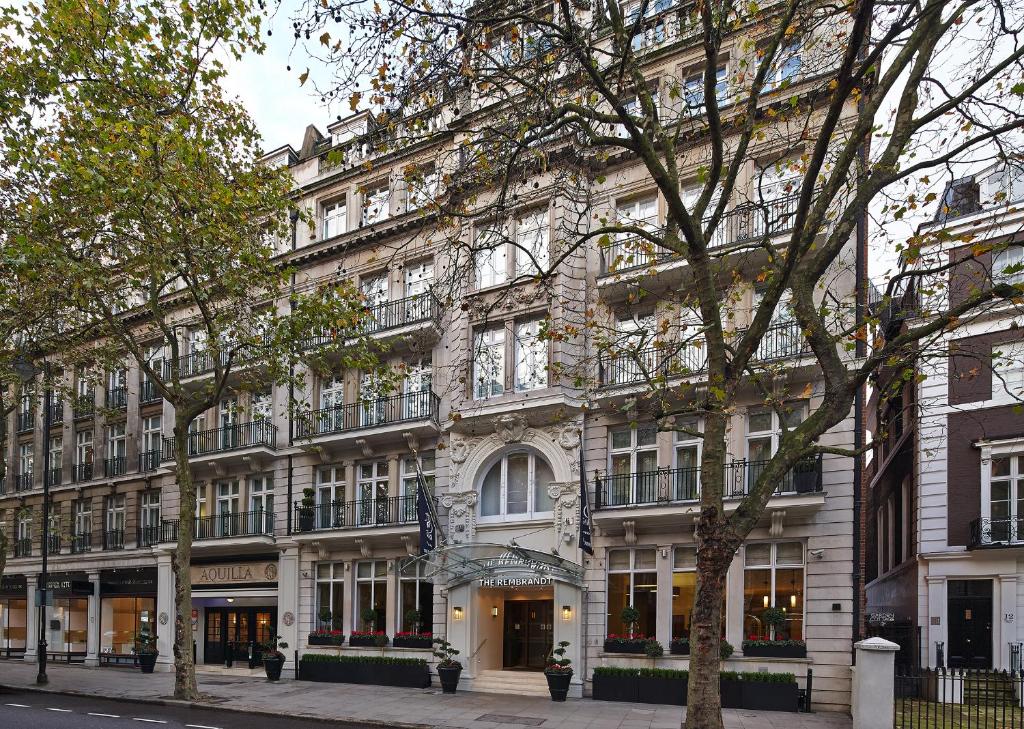
The Rembrandt
Hotel Rating: 4 stars
Location: South Kensington, SW7
Hotel room adaptations for blind guests include lifts with Braille controls and voice notifications and they warmly welcome assistance dogs. Visit their website for more information.
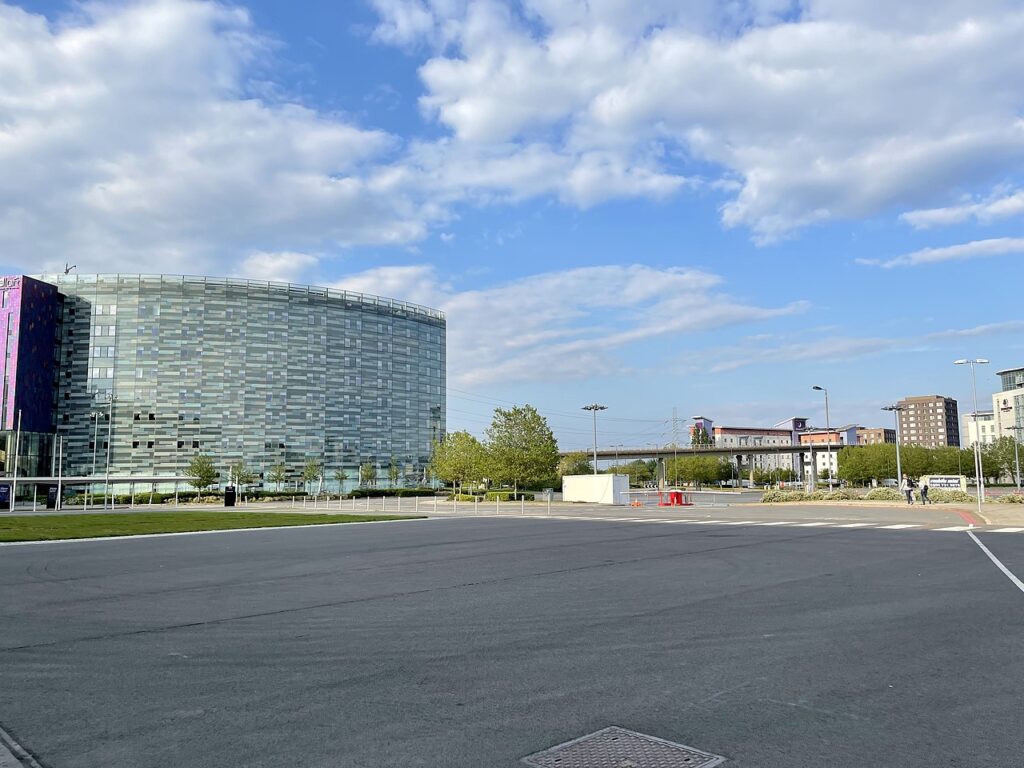
Aloft London Excel
Hotel Rating: 4 stars
Location: Royal Victoria Dock, E16
The Aloft London Excel, which is part of the Marriott group, puts you right in the heart of the city, with great views of the O2. It has a number of accessible hotel features to help those with visual impairment.
Service animals, such as guide dogs, are welcome. Accessible alarm clocks and telephones are also available. Visit their website for more information.
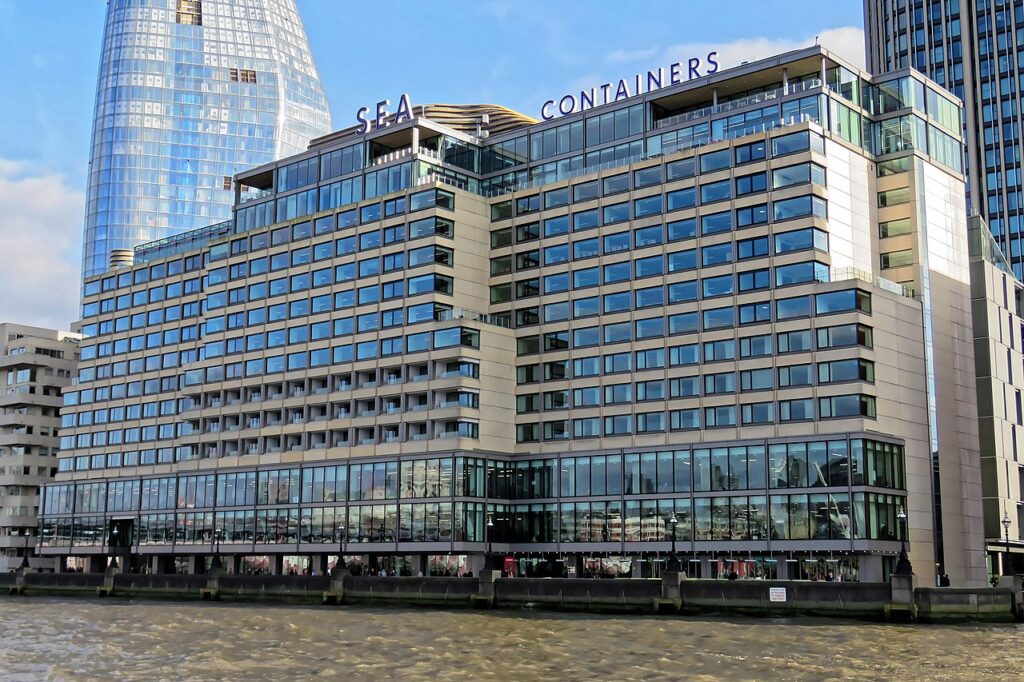
Sea Containers Hotel
Hotel Rating: 5 stars
Location: South East London, SE1
The Sea Containers Hotel is a five-star hotel which provides a slice of luxury. With such high standards, it’s no surprise that it offers a number of ways to get assistance while you stay with them. They offer a member of staff available at all times to help and assist you as needed. They also provide alternative format documents such as Braille and large print.
Service dogs are welcome, and they can provide water bowls, however, their website does state that there are no toilet areas for assistance dogs in the vicinity. For more information, visit their profile on the AccessAble website.
Top hotels suitable for blind people in the rest of the UK
If you’re not heading to the big smoke, there are still plenty of accessible hotels. While London arguably has the best selection of hotels for blind and visually impaired people, there are options all over the country.
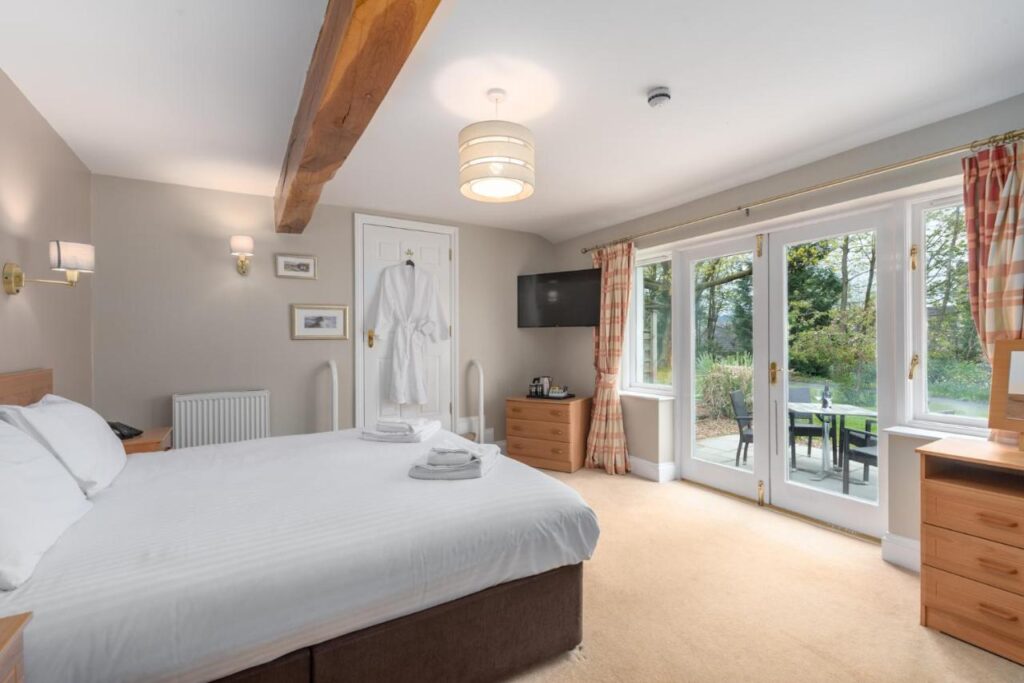
Windermere Manor Hotel
Hotel Rating: 4 stars
Location: Windermere, Lake District
Take in the breathtaking views and clean area surrounding Lake Windermere when you visit Windermere Manor Hotel. This accessible facility has taken a number of steps to welcome visually impaired visitors.
Features include visual aids, easy-to-read signage, tourist information and menus in Braille and large print, wake-up calls, talking clocks, telephones and all assistance dogs are warmly welcomed. You can find out more about the accessibility of the hotel by clicking this link.
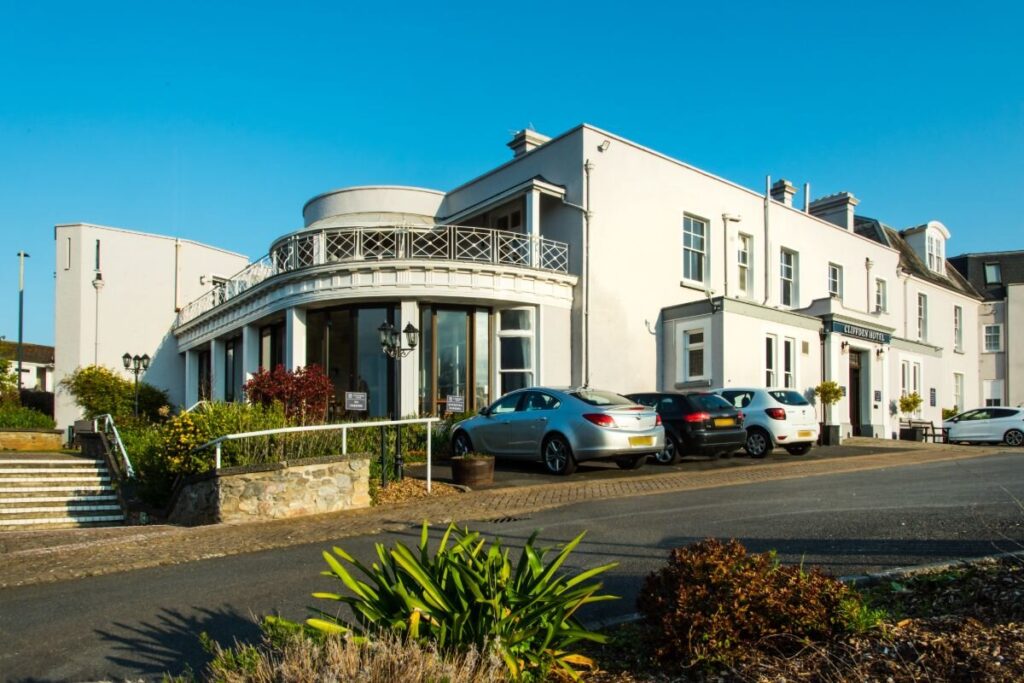
The Cliffden Hotel
Source: The Cliffden Hotel
Hotel Rating: 4 stars
Location: Teignmouth, Devon
Breathe in the sea air during your stay at The Cliffden Hotel in Teignmouth, Devon. This charming historic property is set in 7 acres of beautiful, manicured gardens and is just a 200-yard walk from the Blue Flag beach. This hotel also boasts views of Devonshire’s idyllic coastlines from the terrace.
The Cliffden hotel has facilities including visual aids and grabs rails for blind guests. Rooms feature easy-to-see telephones and alarm clocks, talking clocks, menus in Braille and large print, and wake-up calls available. Dog beds are available for guide dogs, to make their stay more comfortable too! Find out more about the accessibility at this hotel via this link.
Accessible Nationwide Chains
Many common hotel chains, which have hotels in almost every area throughout the country, like Premier Inn, Holiday Inn and Hilton are better designed to accommodate disabled people than some independent venues.
If you’re looking for a budget-friendly, accessible hotel room anywhere in the UK, you’re likely to have at least one of these chains in the area.
Looking for a hotel for visually impaired people
The hotels listed above are just a small selection of what’s on offer. If you’re looking for accessible hotels in other areas, or simply want to look at other options available before making a decision, you can find a range of hotels that cater to the needs of blind and visually impaired people on a number of comparison sites specifically for disabled users.
AccessAble is one such site. By entering the location and your accessibility requirements, you can see all the hotels that meet your needs. General hotel comparison sites like Booking.com also have filters for accessibility, so you can filter to find all the options which have Braille, auditory guidance, grab rails and so on.
Whatever hotel you choose, we advise that you check their websites for more information about the specific features of their rooms in different locations, and contact them in advance of your stay with any questions to ensure that they can provide everything you need to have an enjoyable trip. If you’re looking for more information and inspiration about accessible UK travel, take a look at our guide to accessible days out in the UK and tips for travelling alone as a disabled person, and don’t forget to use the Passenger Assistance app to pre-book your assistance in advance! If you know of a great hotel that meets the needs of blind and visually impaired travellers, please do let us know so we can add it to this list!
The best Wheelchair Accessible Beaches in the UK
It’s no surprise that beaches are popular destinations during the summer months. They offer a chance to soak up the sun, tour seaside attractions, and enjoy water sports or a dip in the sea. However, for wheelchair users or those with mobility impairments, a visit to the beach can be challenging, especially if they lack accessibility features or are inconvenient to reach. That’s why we’ve done our research and highlighted a list of specific beaches that may be suitable for wheelchair users – specifically, those beaches that are embracing not only being safe, clean and fun.
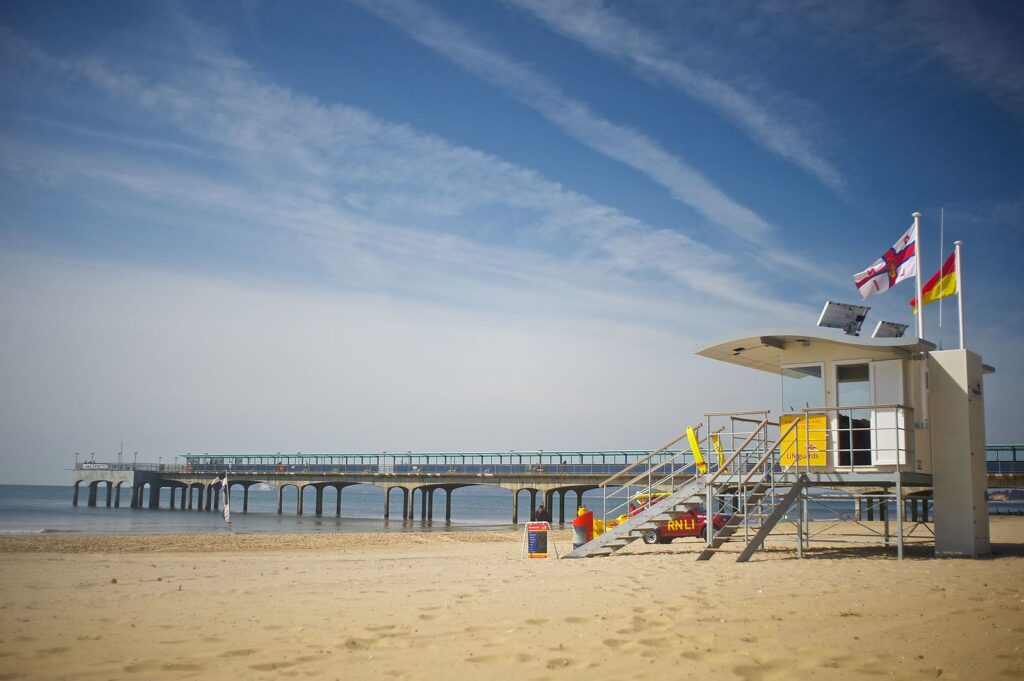
Boscombe Beach, Bournemouth
Source: Thor
Boscombe Beach is a gently sloping, sandy beach. It’s been awarded a Blue Flag, which is an international award given to beaches that have clean water, quality facilities, and access for all. It’s also perfect for family days out – the pier provides stunning views, there are water sports and fun activities available nearby, and it’s kept safe by RNLI lifeguards between the months of May to September.
beach wheelchairs fitted with balloon tyres available for hire
mobi-mats to provide wheelchair users with sand access
accessible toilets
accessible beach huts for hire (These are the first to be designed disabled-accessible beach huts. They can accommodate up to four wheelchair users. Some of their many features include an internal shower unit, a ceiling-mounted tracking hoist, an incorporated change bed, and an electric scooter charging point)
There’s also a handy beach check page which shows you how busy the beach is. The beach is roughly a mile away from Bournemouth Station and cab be reached by public transport.
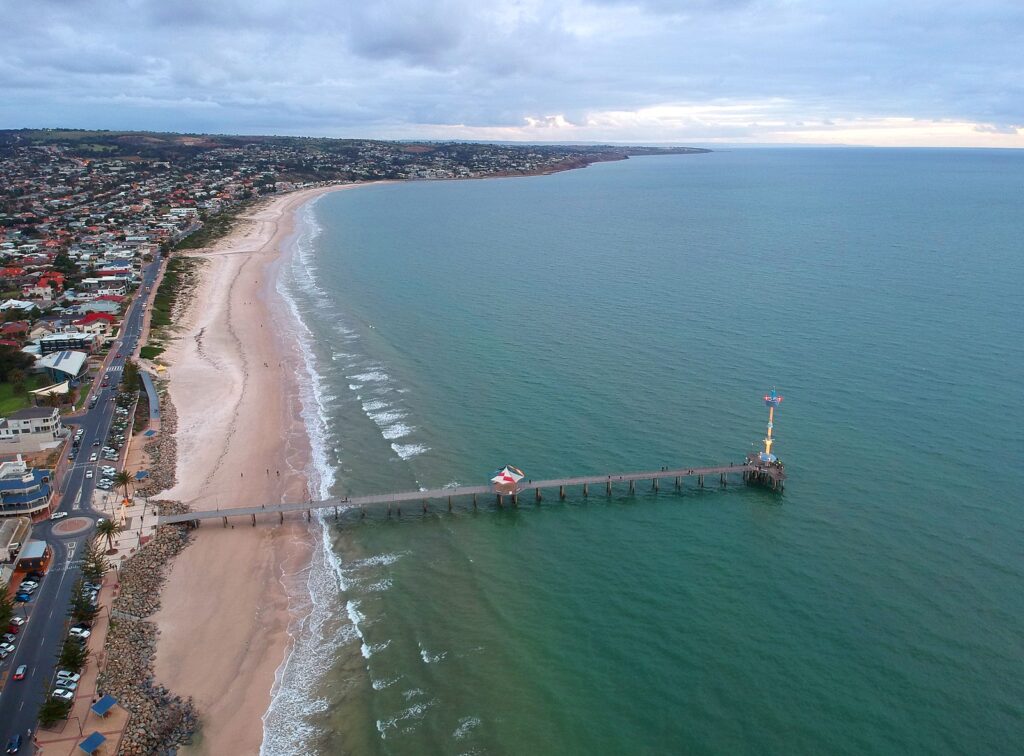
Brighton Beach, Brighton
Source: Luke Anderson
While not a sandy beach, Brighton Beach is a Blue Flag beach with plenty of beachfront attractions. Enjoy the views from the UK’s tallest observation tower, ride on the oldest working electric railway, or visit the oldest aquarium in the world – there are all sorts of attractions and activities on the vibrant 4-mile promenade.
Brighton Beach is right by the city. If you travel by rail, catch a train to Brighton Station. The beach is less than a mile away from the station, with mostly level access.
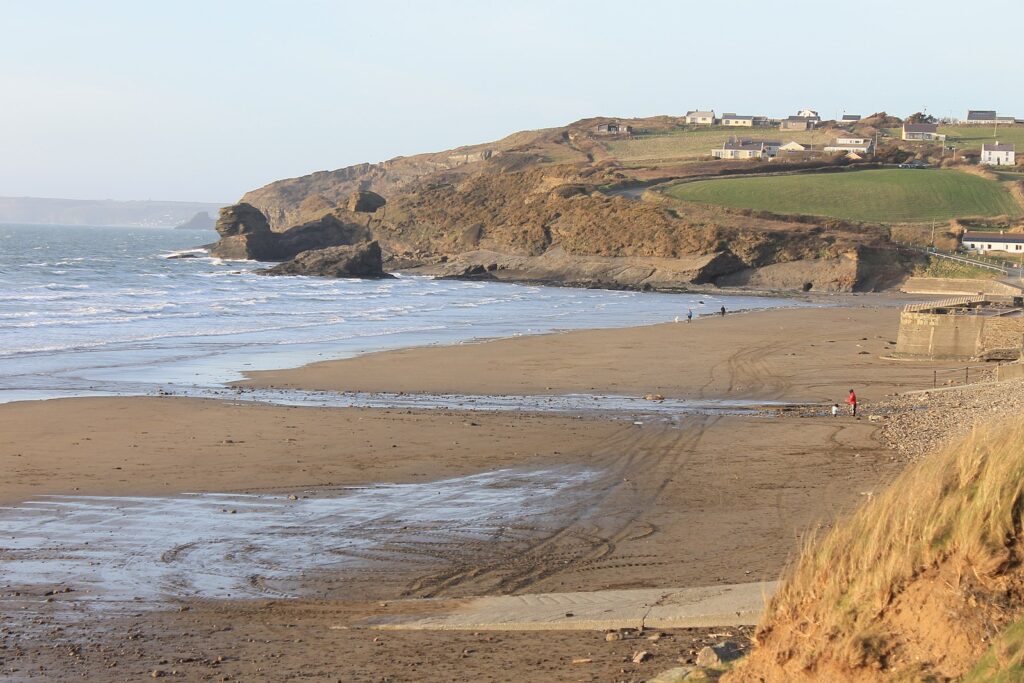
Broad Haven Beach, Pembrokeshire
Source: Wiki Rhuthun
Broad Haven Beach is another Blue Flag beach. It’s located in scenic Pembrokeshire, Wales, and is spacious and sandy at low tide (the beach has a useful tide times timetable to help you plan your trip). There are calm waters, rock pools, and a variety of activities available like canoeing, windsurfing or sailing.
You can get to Pembrokeshire by train, and the 311 bus line can take you directly to Broad Haven.
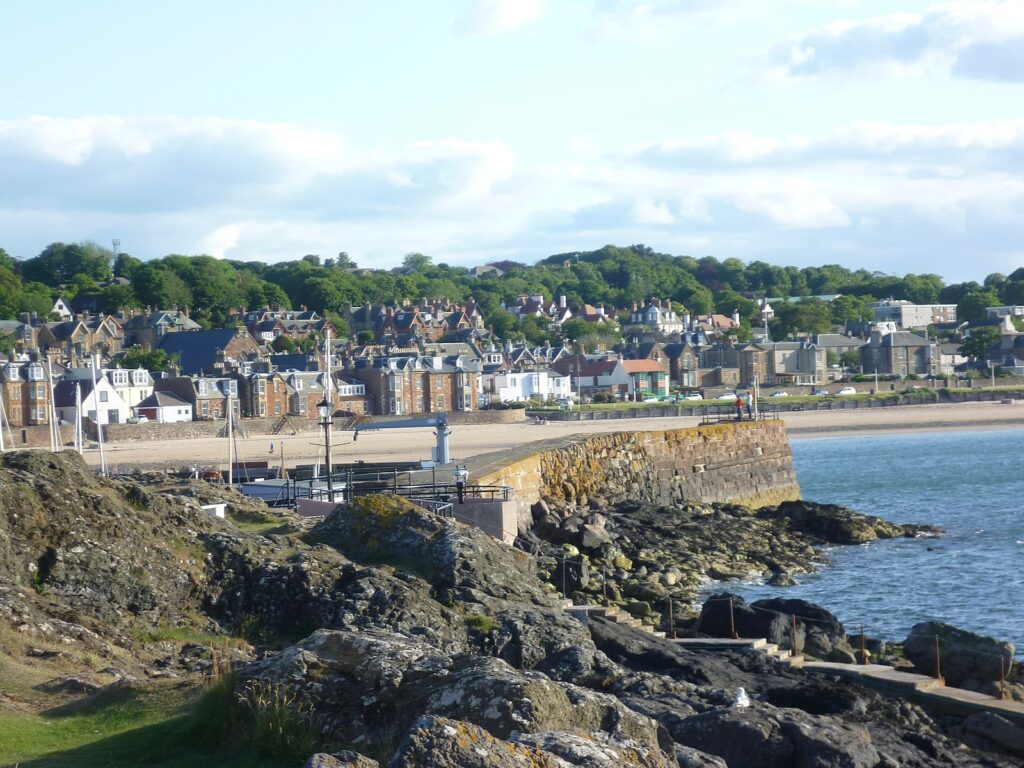
North Berwick, Edinburgh
Source: Kim Traynor
North Berwick is a charming seaside town in East Lothian, Scotland. It’s won many awards for its gardens and floral displays and is host to attractions including the 5-star Scottish Seabird Centre (which is accessible for wheelchair users). It also happens to have one of Scotland’s most beautiful and accessible stretches of sandy beach.
Some of its beach accessibility features include:
accessible car parks
ramp access to the harbour
beach wheelchairs are available for hire, along with a fixed outdoor hoist, thanks to the Scottish charity Beach Wheelchairs
accessible toilets available nearby (including one in North Berwick that comes under the RADAR key scheme)
North Berwick is a short drive from Edinburgh, and there’s the North Berwick Station in the town if you’d prefer to travel by train.
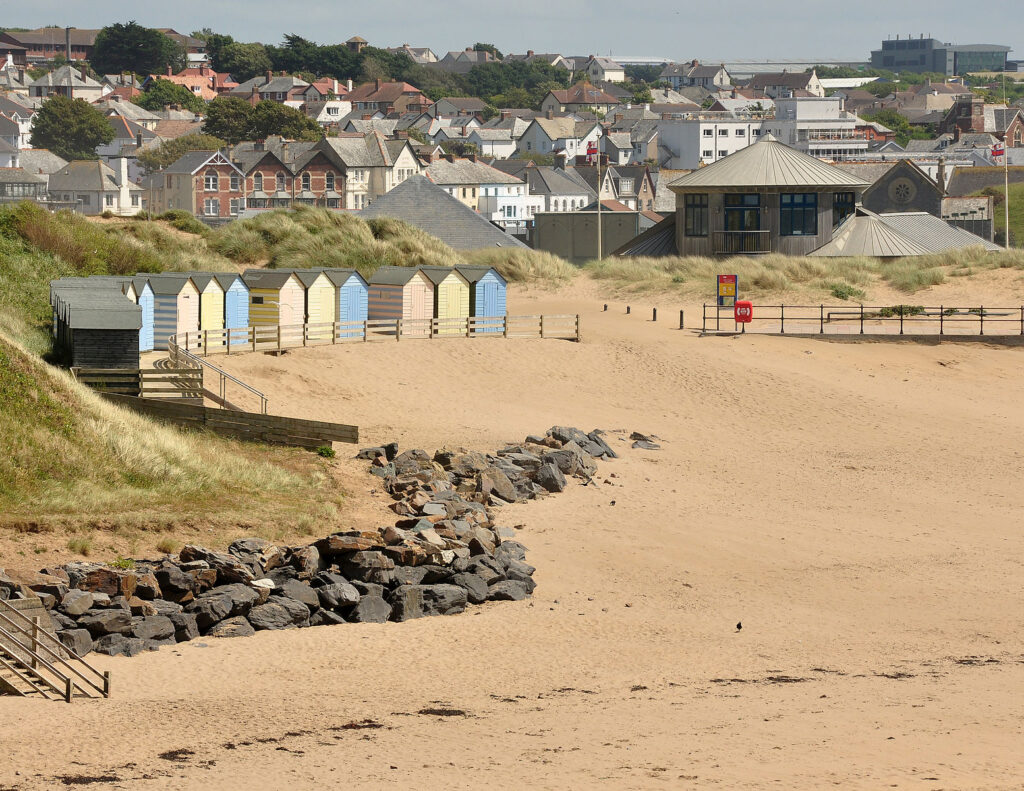
Summerleaze Beach, Bude
Source: Nilf Anion
No list of the best accessible beaches in the UK is complete without mentioning one from Cornwall. While there are plenty to choose from, we’ve recommended Summerleaze because it won the 2022 Seaside Award, is disabled-friendly, and has a lot to do nearby. There’s also the bragworthy point that Bude has won two British Travel Awards as the Best Coastal Resort in Britain.
While there is no direct train to Bude, you can get off at Exeter St David and catch the 6 or 6A bus. There are also local bus services. If Bude doesn’t quite appeal to you, then do check out this map of beaches in Cornwall that offer beach wheelchair hire.
Other Wheelchair Friendly Beaches
The above are our top picks of wheelchair-friendly beaches in the UK. The great news is that there are plenty more, with Skegness in Lincolnshire, Blackpool Sands in Dartmouth, and Langland Bay in Swansea worthy of mention and offering accessibility features including beach wheelchairs for hire. We hope you have a fabulous and frustration-free time enjoying the beaches this summer. And remember, if you’re planning a trip by train and would prefer to avoid any stress or discomfort, then use the Passenger Assistance app to pre-book travel assistance and ensure your accessibility needs are met.
Autism-friendly theme parks and attractions in the UK
Theme parks can be challenging places to visit for people with ASD or Autism Spectrum Disorders. They can be noisy, crowded and overstimulating. Fortunately, accessibility awareness is growing, and there are now quite a few autism-friendly theme parks and attractions in the UK. We’ve compiled a list of such places that have stepped up their efforts to be more sensitive to the needs of all guests.
Legoland Windsor Resort
Legoland theme parks are famous across the world, and have fabulous Lego brick models, rides, attractions and play areas that appeal to children and adults alike. To provide guests with a safe and enjoyable visit, Legoland Windsor Resort offers a variety of accessibility features, including the following for those with ASD:
Diggerland is a theme park with a twist – it uses diggers, dumpers and other construction equipment to create adventure rides. It also has indoor soft play, safari rides, and plenty of other activities for the family. There are 4 Diggerlands in the UK – located in Kent, Devon, Durham and Yorkshire. They’ve found that disabled children have a great time, and they’ve worked hard to provide a range of accessibility features including:
free travel companion/assistant tickets
disabled parking, toilets and access
sensory room that guarantees peace and quiet (this is available in the Durham theme park)
If you wish to travel by train to Diggerland in Durham, then the closest station is Durham, and you will need to catch a bus from there. The 13 or 14 bus operated by Go North East will take you to the theme park.
Sandcastle Waterpark
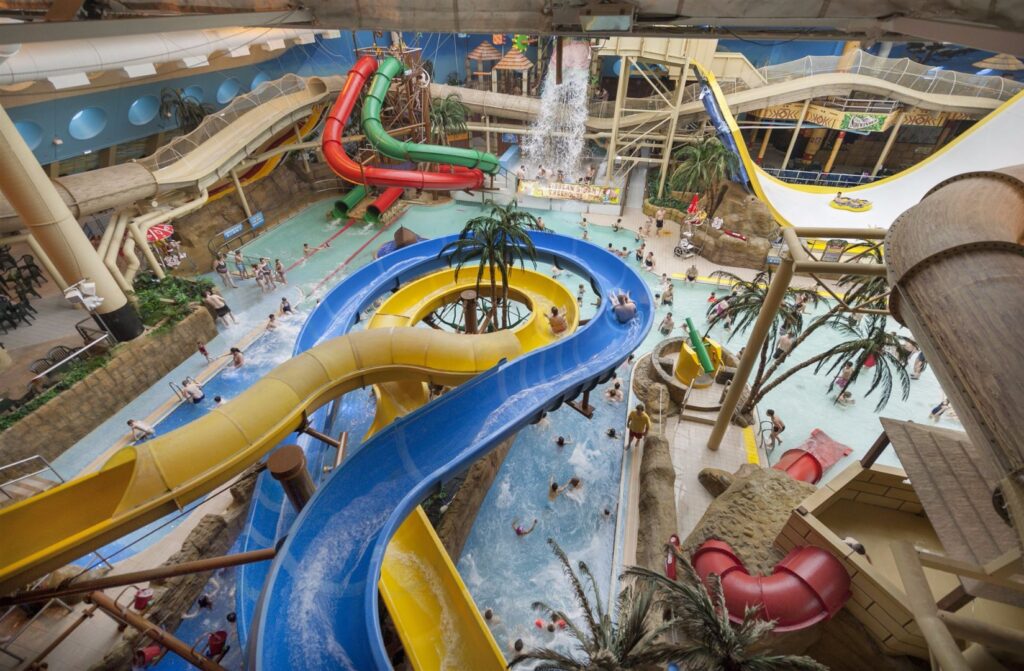
The largest indoor waterpark in the UK, Sandcastle Waterpark has a variety of water roller coaster rides, slides and wave pools for the family to enjoy. It’s an award-winning accessible venue with plenty of facilities and accessibility features for guests with autism including:
queue fast-track policy
quiet hours
ear defenders
an autism-friendly quiet room
floatation aids
The theme park has a sandcastle waterpark story to prepare guests with autism for their visit and what sights, sounds and sensations to expect. They also support familiarisation visits. Learn more about their rides and booking information here.
Drayton Manor Resort
Drayton Manor is a theme park with rides and attractions, a zoo, and plenty of entertainment to appeal to people of all ages. While they do try to cater to the needs of guests with additional needs, their accessibility features don’t include a sensory room.
That being said, the theme park is home to Europe’s only Thomas Land, with rides and characters from the popular television show Thomas the Tank Engine. A study conducted by the National Autistic Society found that children with ASD tend to respond strongly to characters from the show more so than to other children’s television show characters, which is why we thought it worth including the resort in this list.
If you’re interested in learning more about the theme park, contact Drayton Manor (you could also read this entertaining account of a trip to Thomas Land written by the parent of a child with ADS).
Camp Mohawk
Camp Mohawk is a woodland adventure centre and campsite set across 5 acres of countryside in Berkshire. The multi-functional centre is specially designed for children and young people with additional needs, primarily those with ASD.
There are plenty of outdoor and indoor facilities – such as a wildlife area, swimming pool, sensory garden, archery range, soft play area, adventure play, ancient woods and more. And the camp has developed all of these facilities to ensure they are as accessible as possible. Some of their accessibility features include:
disabled toilets and disabled access ‘wet room’ bathroom facilities
There are particularly touching testimonials from people with ASD on the site, who share fond memories of their experiences there. If you travel by train to Camp Mohawk, then the closest station is Wargrave. From there you can catch a taxi or walk the 1.8 miles to the camp (the walk is partly uphill along a country road that has no pedestrian path).
The Postal Museum
Located in London, the Postal Museum is just 15 minutes walking distance from King’s Cross St Pancras Station or Farringdon Station (though the latter does not provide level access). Run by the Postal Heritage Trust, the museum has rides that go through hidden tunnels, exhibitions, and fun-filled interactive displays.
It has a wide variety of accessibility features and has worked with Ambitious about Autism to include events and resources that support autistic and neurodiverse guests. Some of these include:
a visual story to help guests know what to expect on their visit
pre-visit films
communication cards
sensory bags that contain stim toys
ear defenders
There are also accessible toilets and a Changing Places toilet in the museum. You can contact them to learn more.
Eureka! The National Children’s Museum
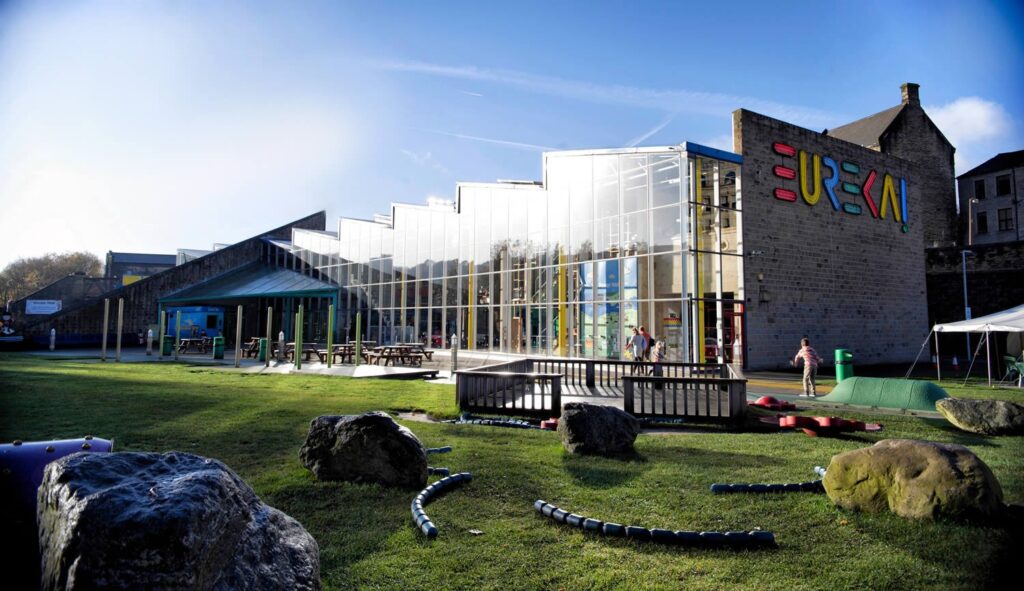
Eureka! is a children’s museum that has plenty of interactive exhibits, galleries, events, and creative and play areas. It’s designed to be accessible to all and was Visit England’s ‘Access for All’ gold winner in 2015. The museum has many accessibility features including the following for children with ASD:
free travel companion/assistant tickets
sunflower lanyards or wristbands for people with hidden disabilities
Enablers who work at Eureka! and are specially trained to help guests have a pleasant experience
all-access toilets and Changing Places toilet
a dedicated quiet space or ‘chill-out room’
The museum has advice on busy periods and quiet times to help you better plan your trip. Get in touch with the museum regarding special enquiries or concerns you may have.
Assisted Travel Some of the autism-friendly theme parks and attractions that we’ve listed above are close to train stations. That being said, we know that travelling to theme parks can sometimes be just as daunting as visiting them if you or someone you’re travelling with has ASD. If you’re looking to request assistance while travelling, then please do use Passenger Assistance. Our app has been developed to simplify booking assistance for any and all of your train trips so that you can enjoy a stress-free journey.
5 accessible festivals in the UK in 2022 and how to get to them
Summer is just around the corner, and with people looking to blow off some steam and experience days of sunshine, green fields, and great music, we’ve put together a list of 5 accessible festivals for you to choose from.
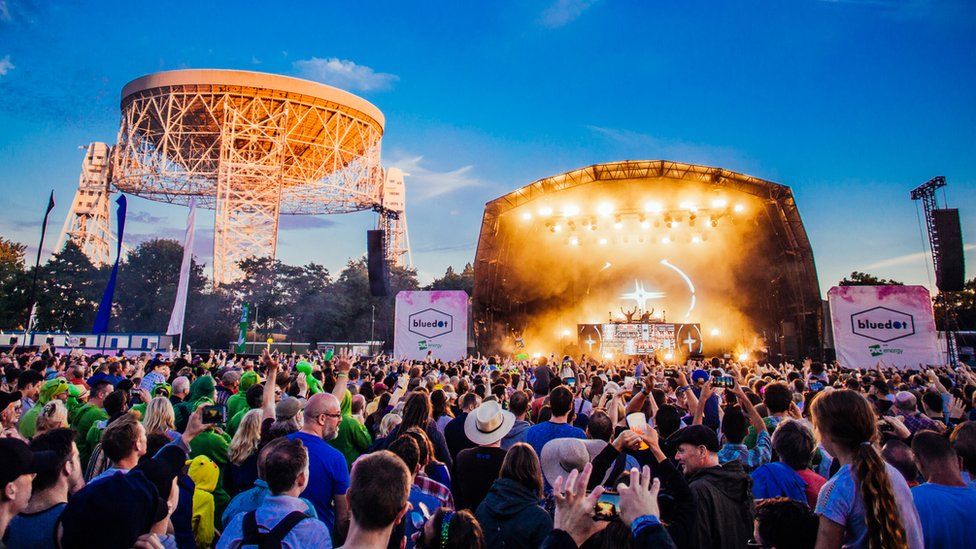
Bluedot uniquely blends music and science to provide festival-goers with what they call ‘cosmic culture’. From ‘Mission Control’ to ‘Outer Space’, each stage has its own theme and experience. The lineup has headliners like Groove Armada, Mogwai, Metronomy, Björk and more. Their ‘Dot Talks’ feature mind-broadening panel discussions with leading scholars from across the world. And there’s also plenty of family fun – the ‘Science Fields’ and ‘Space Camp’ have a dazzling array of scientific displays, games and interactive experiments.
Accessible camping site with accessible unisex showers and toilets, and electric points for charging wheelchairs or mobility scooters
Accessible toilets
Accessible viewing platforms
Medical services
Hearing loops
There are plenty of ways by which you can travel to Bluedot, including by coach. Coach tickets are available via National Express, which does have a code of practice for disabled customers. If you are a wheelchair user wishing to travel with them, do contact their Assisted Travel Team in advance. If you travel by car, then the trip is 30 minutes from Manchester City Centre or 50 minutes from Liverpool City Centre.
Latitude is a self-described ‘summer adventure’ that has a number of music, dance, comedy, theatre and literature events, as well as family and wellness activities. Their line-up includes Lewis Capaldi, Foals, Snow Patrol, Modest Mouse, Phoebe Bridgers and more, with Russel Howard as the first comedy headliner.
The festival has a dedicated Access team that works alongside Attitude is Everything volunteers to ensure disabled festival-goers have the best possible experience. Some of their accessibility features include:
2 for 1 tickets for companion/personal assistant
Access guide/maps
Disabled parking
Accessible campsite with wheelchair-accessible toilets and showers, changing places unit, drinking water points and accessible sink, electrical points for charging wheelchairs or mobility scooters, and a fridge for storing medicines
Accessible toilets
Accessible viewing platforms
Hearing loops and BSL Interpreting services
Medical and welfare facilities are available 24/7
In terms of how to travel to Latitude, you can get there by train, taxi, coach or car. The festival’s official and exclusive coach provider is Big Green Coach, who requests that you email them with your details before you book so that they can try to arrange assistance. If you travel to Suffolk by train, then the closest stations are Diss or Halesworth, though both will require you to book a taxi the rest of the way (there is a shuttle bus option via Borderbus, but unfortunately the vehicles aren’t accessible).
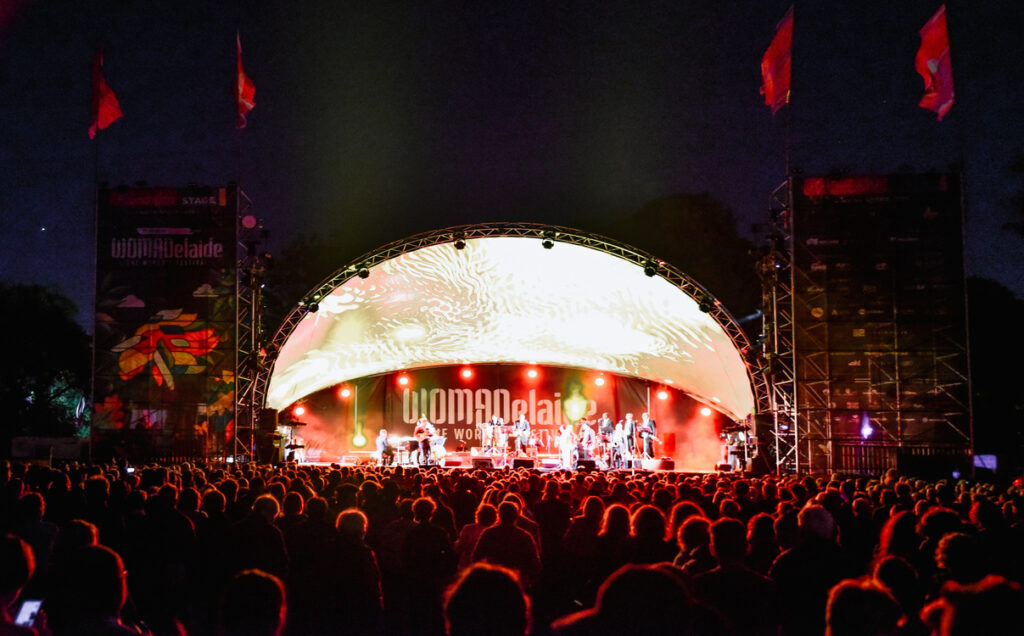
WOMAD stands for World of Music, Arts and Dance. It’s an internationally renowned festival that draws artists from all countries and continents and is held in beautiful Charlton Park Estate. There’s music, artist workshops, talks, dancing, activities for children and the family, food and more. The line-up includes The Flaming Lips, Lianne La Havas, Gilberto Gil & Family, Kae Tempest and more.
The festival has a dedicated Disabled access team and aims to meet any and all requirements that disabled festival-goers may have. Some of their accessibility features include:
Free entry for assistants or essential companions (evidence needs to be provided)
Disabled camping area
Disabled toilets and showers available throughout the festival area
Festival medical services, including a fridge to store medicines
Wheelchair battery recharging services are available
Wheelchair or mobility scooter hire is available
Wheelchair-accessible sites (in bad weather the ground can become muddy, though they do lay metal or plastic tracks across the site)
Accessible viewing platforms
Urgent toilet needs
BSL interpreters at selected performances
You can get to the venue by train, bus or car. If you travel by train, then you can get off at Chippenham via Great Western Railway. The festival runs bus services from the station to the festival and back. There’s also a shuttle service from London and Malmesbury, though they are yet to confirm how accessible these services will be.
The Fringe is a world-famous festival in Edinburgh. For three weeks the capital of Scotland plays host to the finest talents in the arts, with hundreds of stages across the city presenting shows of all kinds – music, theatre, comedy, dance, spoken word, exhibitions and more.
In association with Attitude is Everything, the festival has a Venue Access Award to ensure all venues know and follow best practices for accessibility. Some of the festival’s many accessibility features include:
Blue Badge parking
Lothian bus access (these buses are designed to make bus travel easier for passengers with disabilities)
Accessible shows (you can search for shows by access providers such as wheelchair access or signed performance)
Access tickets service which allows you to book accessibility services (such as hearing loops, captioning units, seating preferences, etc.), request information and assistance, and more
Changing places toilets
Sensory backpacks
Because the festival is located in Edinburgh, there are a number of ways to get there. You can fly, travel by train or bus, or drive to Edinburgh. If you travel by train, then keep in mind that Waverly station is the city’s central station that is close to most festival venues and bus services. Within the city, there are trams, taxis, rickshaws, and Lothian buses available (a day ticket for the bus will cost you £4.50). Most venues have a bus stop nearby and are also relatively close to one another in terms of distance.
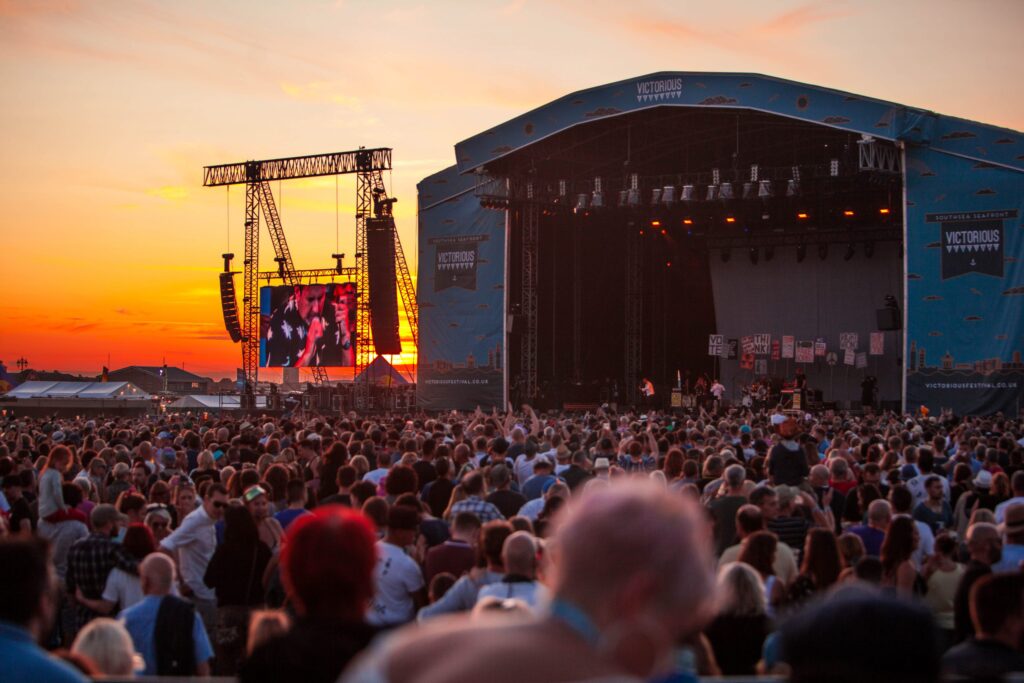
Victorious is on the gorgeous Southsea seafront in Portsmouth. You’re guaranteed great views and just as great music, with a line-up that includes Stereophonics, Paolo Nutini, Bastille, Sam Fender and more. There’s also plenty of family fun, with a kid’s area that has music, arts and crafts, and all sorts of interesting activities.
The festival was awarded a gold level of commitment to being accessible by Attitude is Everything. Some of the festival’s accessibility features include:
Mostly level terrain, with concrete paths across the site
Free companion/personal assistant ticket scheme
Blue Badge parking
Accessible entry points
Accessible viewing platforms
Disabled toilets are available in all toilet blocks, and there’s also a Mobiloo (if you require a hoist, then please do take your own sling)
Fridge available for storing medication (but do bring a doctor’s letter or prescription with you)
Hearing loops and BSL services (please email them in advance if you require BSL access service)
Accessible camping (with accessible toilets)
Getting to Victorious is relatively straightforward since it’s located in Portsmouth. Big Green Coach is the official coach transport for the festival, but contact them in advance to find out if they can meet your accessibility needs.
If you travel by train, there are three stations less than 30 minutes away from the festival: Portsmouth & Southsea, Fratton, and Portsmouth Harbour. South Western Railway also has trains to the Victorious Festival. Within the city, First Group and Stagecoach offer disabled and wheelchair-accessible bus services, or you can catch a taxi. Of course, if you’re travelling from the Isle of Wight, Gosport or Hayling Island, you can catch a boat to Portsmouth.
The above are only 5 of many festivals in the UK which are trying to be as accessible as possible. If you do attend any of them, we hope you have a lovely time! And remember to use the Passenger Assistance app if you travel by train to any of these destinations – it’s designed to simplify assisted travel and make your rail journey stress-free.
Travelling with a stoma (and how to make your trip more comfortable)
Travel can be scary for ostomates or people living with a stoma, especially those who have recently had their surgery and are still adjusting to their new circumstances. Fortunately, having a stoma doesn’t mean you have to give up all the things you enjoyed before, such as exercise and travel.
While colostomy equipment is designed to be discrete, safe and secure, and there are more awareness campaigns and training drives to tackle social stigmas, we understand you might still have some reservations about travelling. This is perfectly understandable.
To help, we’ve compiled a travel checklist as well as some air and rail travel tips which address common issues that people living with a stoma face. They may make your trip less stressful and more comfortable.
Before you plan your trip, you want to make sure it’s safe for you to travel, especially if you are travelling abroad. You should seek medical approval from your GP or stoma nurse if you have had surgery in the past 6 weeks, or if you have been hospitalised in the past 6 months.
Book a seat near the toilet
No matter the mode by which you travel, it’s a good idea to book seats near the toilet. If you have any concerns about leaks, odours, or ballooning, you can swiftly and easily check on your stoma bag.
Set aside extra time
There’s always a potential for delays when you travel. You might need to go to the toilet to dispose of and replace your stoma bag, or your security check might end up taking longer than usual. To avoid any extra stress, make sure you set aside enough time and more for you to travel comfortably.
Pack essentials in your backpack or handbag
This is possibly one of the most important things to do before travelling. We recommend you pack the following:
Spare stoma bags. Make sure to pack different sizes, and even if you tend to use closed bags, take some drainable bags with you as well in case you suffer from a stomach upset.
Protective stoma rings or seals
Barrier creams, or skin barrier protector wipes
Wipes or sprays to remove medical adhesive
Dry wipes
No-water cleanser
An ostomy deodoriser. Stoma bags have air filters with charcoal in them to neutralise any odours, but if you’re worried about smells, then having an ostomy deodoriser at hand can give you peace of mind.
Nappy bags. We know bag disposal is a major concern, and while you can purchase bags with a flushable inner liner, you can also empty the contents of your bag down the toilet. Nappy bags are in case of an emergency when you don’t have access to a toilet but need to empty your bag.
RADAR key. This is particularly useful if you’re travelling within the UK. It gives you access to over 10,000 locked disabled toilets across the country so you can inspect and adjust your colostomy equipment at ease. Ostomates can purchase a RADAR key from Colostomy UK.
Pack spare supplies
While your handbag should contain stoma-related essentials, you should make sure to carry extra ostomy supplies in your other luggage. That way, in case you lose one, you always have the other to rely on for the duration of your trip without having to purchase new supplies.
Spare supplies could also include your support belt or girdle, or specially designed swimwear to accommodate your colostomy bag or protective stoma seal.
Pack medicines
Ostomates dehydrate quicker than most, so you may want to carry rehydration tablets, especially if you’re travelling someplace hot and sunny. Other medications might include what you normally take for constipation or diarrhoea, as well as anti-fungal ointments.
Eat and drink carefully
This goes without saying, but on the day of travel, and during your trip as well, be mindful of what you eat and drink. Avoid anything which, in the past, has upset your stomach.
In addition to the travel checklist above, there are a few tips we’ve listed below that are worth keeping in mind and practising when you fly:
Purchase travel insurance.
Arrange for your stoma care nurse to issue a travel certificate. This can be used to explain to airport officials and authorities that you are living with a stoma, are wearing a stoma bag, and need to carry your medical supplies with you.
Accessible support is available at Heathrow, Gatwick and Manchester airports. Some airports also run the hidden disability sunflower lanyard scheme. It may be worth contacting the airport at least 48 hours in advance if you believe you will require assistance.
Be prepared for airport security checks. Full body image scanners are often used to detect whether or not you are carrying dangerous items. If you are uncomfortable with such a scan, you can always mention this to staff, though they will be duty-bound to conduct a body check. This can be done in private if requested. Carrying a stoma travel certificate or a hidden disability lanyard can help facilitate this process.
Lastly, if you are travelling abroad and irrigating, then make sure you irrigate with bottled water to avoid any chance of infection.
Tips for rail travel with a stoma bag
As mentioned before, these tips should be paired with the general travel checklist. If you are travelling by rail, there are a few other tips you could make use of:
Book a seat near an accessible toilet, as most trains in the UK, are now equipped with them. There should be a hook, shelf and bin to help you manage your stoma bag easily.
We hope the guidance and tips we’ve provided in this article are useful, and if there’s anything we’ve missed that you feel is worth mentioning, please do let us know in the comments. Till then, we wish you a safe, stress-free and happy journey!